Personal account

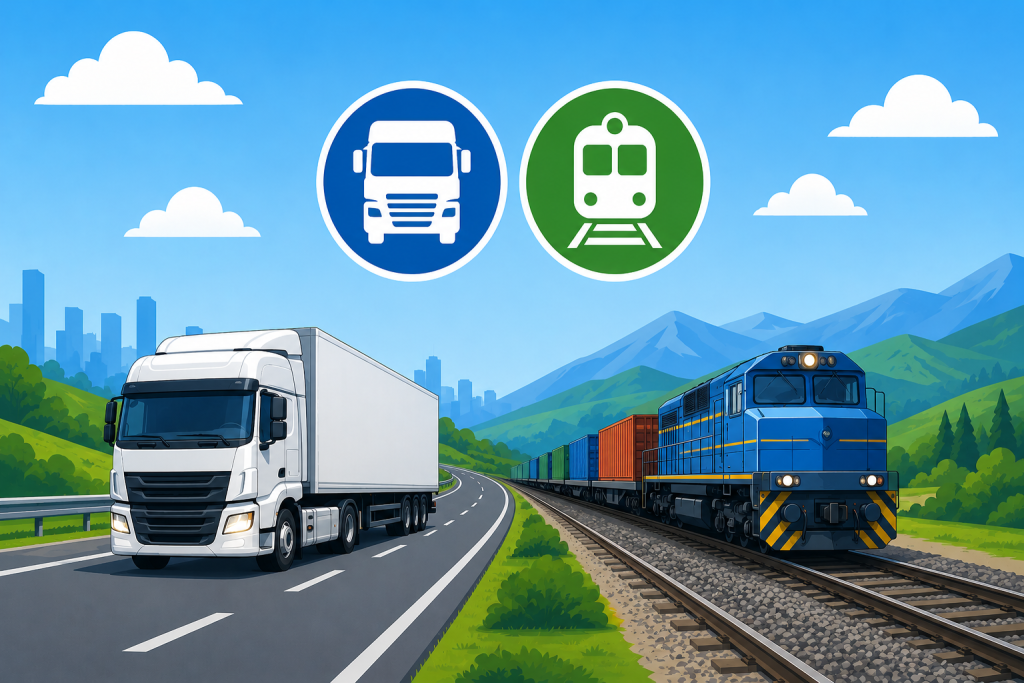
When organizing freight transport, one of the first questions a business faces is which mode of transport to choose. Road and rail transport remain the most popular options for international and regional logistics. Each solution has its own advantages, and the right choice depends on the route, delivery timelines, and the specific characteristics of the cargo.
Road transport: speed and flexibility
Road transport is considered the most versatile mode of delivery. It enables the transport of goods between virtually any two points without the need for transshipment at intermediate terminals.
Key advantages of road transport:
- Door-to-door delivery;
- Route flexibility and the ability to quickly change the travel path;
- Rapid organization of transportation;
- Convenience for small cargo shipments.
Road transport is particularly effective for short and medium distances, as well as for urgent shipments where delivery speed is critical.
However, the cost of long-distance transportation can be higher compared to rail, especially when transporting large volumes of products.
Rail freight: economies of scale
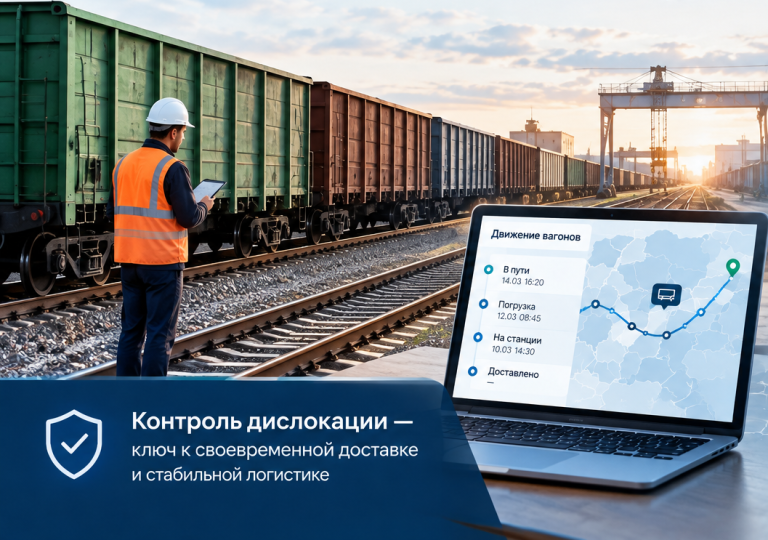
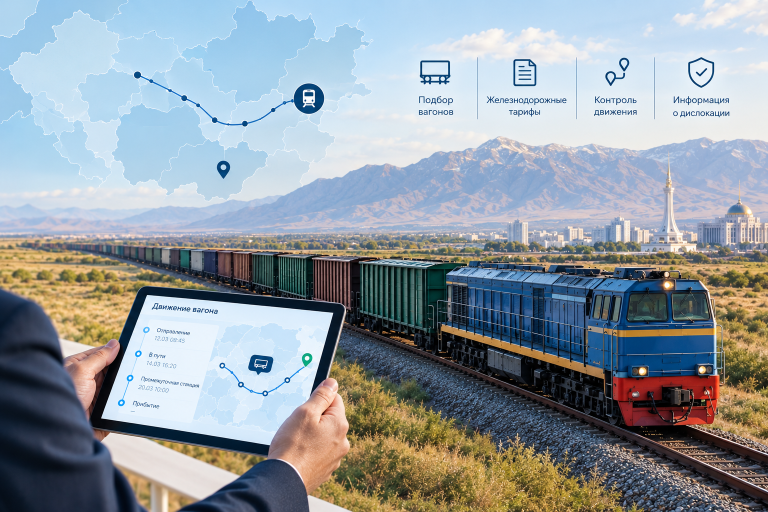
Rail transport remains one of the most sought-after solutions for transporting bulk cargo over long distances.
Advantages of rail transport:
- Lower cost for large cargo volumes;
- Capability to transport heavy and oversized cargo;
- Stability of the traffic schedule;
- Independence from traffic jams.
Rail transport is particularly advantageous for shipping raw materials, construction materials, agricultural products, and other goods in large consignments.
Disadvantages include the need to deliver the cargo to the railway station and subsequently transport it to the final recipient.
What should I choose?
Road transport is a suitable option if:
- Minimal delivery times are important;
- Delivery directly to the recipient’s warehouse is required;
- The volume of cargo is relatively small;
- The route covers short or medium distances.
Rail transport will be more cost-effective if:
- A large consignment of cargo is being transported;
- The route covers long distances;
- The main objective is to reduce transportation costs;
- The delivery time is not a critical factor.
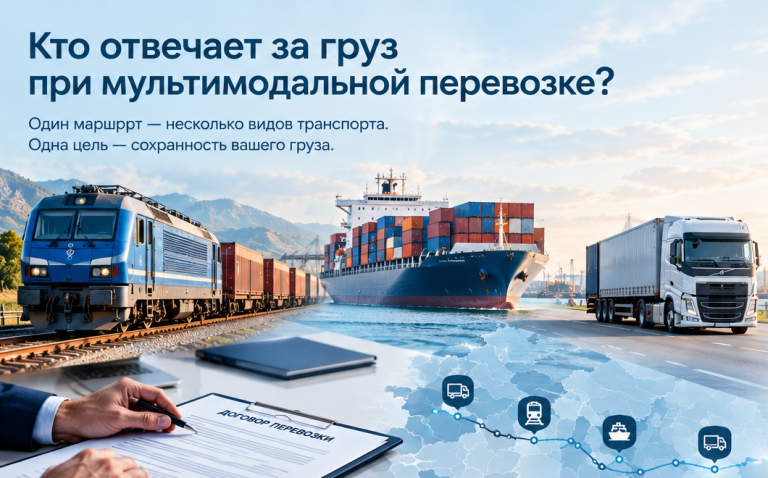
The optimal solution is to combine.
In many cases, multimodal transport proves to be the most effective option. For instance, rail transport is used for the main leg of the route, while road transport handles delivery from the station to the recipient’s warehouse.
This approach makes it possible to simultaneously reduce costs and maintain delivery convenience.
Conclusion
There is no universal answer to the question of which mode of transport is best. Road transport offers flexibility and speed, while rail transport provides cost-effectiveness and efficiency for moving large volumes of cargo. The choice depends on the specific requirements, so it is important to evaluate the route, timeline, and budget before shipping the cargo.