Personal account

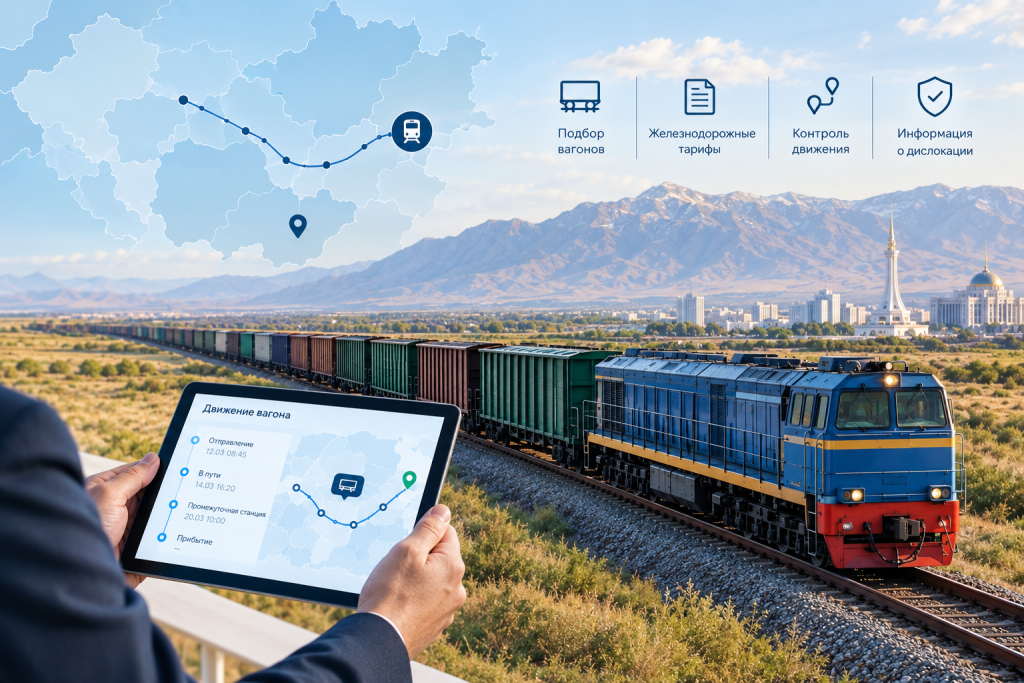
Rail transport is widely used for moving large cargo volumes over long distances. It is particularly suitable for regular shipments, when stable departure schedules and the availability of appropriate rolling stock are important.
When organizing such transportation, it is necessary to consider not only the route and cost, but also wagon supply, railway tariffs, transit times, and monitoring of the cargo in transit.
What Does Railway Transportation Organization Include?
Depending on the type of cargo and route, transportation may include several consecutive stages:
- selecting the appropriate type of wagon;
- planning wagon supply for loading;
- calculating and arranging railway tariffs;
- coordinating the shipment schedule;
- coordinating the parties involved in the transportation process;
- monitoring wagon movements to the destination.
For large and regular shipments, coordination between these processes directly affects the stability of the entire logistics chain.
More information about the service is available on the Wenanko AG railway transportation service page.
Why Is Wagon Location Tracking Important?
Once a shipment has departed, the cargo may remain in transit for an extended period. During this time, schedules can change, delays may occur, and other circumstances may affect the movement of the wagons.
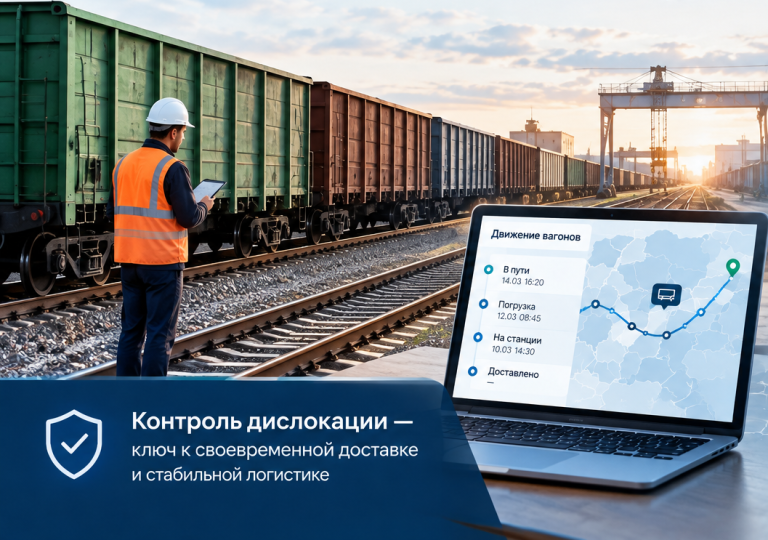
For this reason, wagon location tracking is an important part of railway logistics. It provides information about where the rolling stock is located and which stage of the route it has reached.
This information makes it possible to:
- monitor compliance with the transportation schedule;
- assess expected delivery times;
- plan subsequent cargo operations;
- respond promptly to deviations;
- inform the consignee about the current shipment status.
This is particularly important for regular large-volume shipments, where the movement of one group of wagons can affect subsequent shipments.
Monitoring Rolling Stock Movements
Wagon tracking is part of the overall management of railway transportation. It is important not only to receive information about a wagon’s location, but also to use this information in a timely manner when planning the next stages of transportation.
With comprehensive transportation management, wagon movement data helps maintain communication between the shipper, carrier, and consignee and provides better control over delivery times.
Advantages of Working with Wenanko AG
By outsourcing railway logistics to a specialized company, the client does not have to coordinate every stage of the transportation process independently.
Wenanko AG combines rolling stock selection, transportation organization, and wagon movement monitoring. Clients receive information about wagon locations and shipment status, allowing them to plan regular cargo flows more effectively and respond promptly to changes during transportation.