Personal account

Wagon delays are one of the factors that can affect the timing and cost of railway transportation. A delay involving a single wagon may have little impact on an individual shipment, but for regular deliveries and large volumes, delays can disrupt the entire shipping schedule.
The causes can vary — from late wagon supply to delays at individual points along the route. Reducing idle time therefore starts with proper planning and continuous monitoring of the transportation process.
What Is Wagon Idle Time?
Wagon idle time refers to a period when a wagon is not performing a scheduled operation or is not moving according to the planned transportation schedule.
Depending on the situation, a wagon may be delayed:
- before loading;
- during loading or unloading operations;
- at the departure station;
- at an intermediate station;
- when changing transportation participants;
- while waiting for required documentation;
- due to changes in the transportation schedule.
When transporting large volumes, even minor delays involving individual wagons can accumulate and affect the overall delivery time.
Main Causes of Wagon Delays
Late Wagon Supply
If a wagon is not provided within the agreed timeframe, loading may be postponed and subsequent stages of transportation may fall behind schedule.
Delays During Loading and Unloading
If the cargo, personnel, infrastructure, or equipment is not ready, the time required to process the wagon may increase.
Documentation Errors
Incomplete or incorrect documents can lead to delays during processing and at various stages of the route.
Lack of Coordination Between Participants
Railway transportation involves several parties, including the shipper, carriers, railway stations, terminals, and consignee. If their actions are not properly coordinated, wagons may have to wait.
Changes During Transportation
Changes to schedules, congestion on certain sections of the railway network, and other circumstances can affect transit times and cannot always be fully prevented in advance.
How to Avoid Wagon Delays
It is impossible to eliminate every potential delay, but many risks can be reduced through proper transportation planning.
1. Plan wagon supply in advance.
The volume of cargo, loading readiness, and required number of wagons should be taken into account.
2. Check cargo and documentation readiness.
By the time the wagon arrives, the main operations on the shipper’s side should be prepared.
3. Coordinate the actions of all participants.
The better the shipper, carrier, stations, and consignee are synchronized, the lower the risk of unnecessary waiting.
4. Monitor wagon movements.
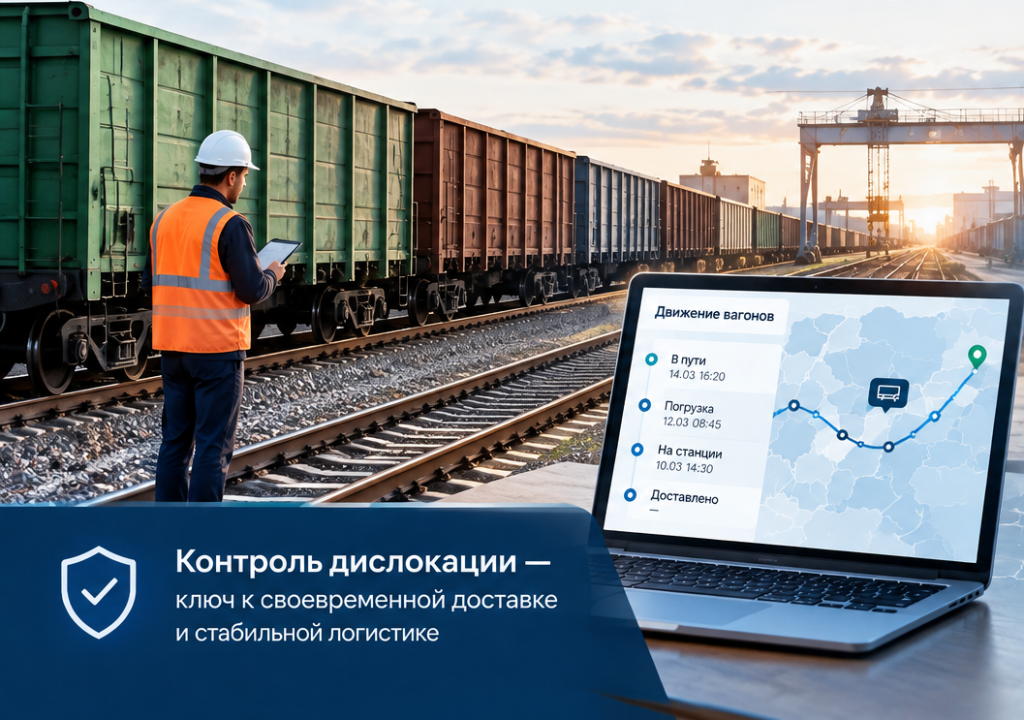
Information about wagon locations makes it possible to understand where the rolling stock is and how the actual movement corresponds to the planned schedule. If a deviation occurs, the issue can be identified and further actions adjusted more quickly.
5. Analyze the causes of delays.
For regular shipments, it is important not only to respond to individual delays but also to identify recurring causes. This helps improve schedules and the organization of future shipments.
Why Is Wagon Location Monitoring Important?
Monitoring wagon movements provides up-to-date information about the progress of transportation. This is particularly important for large cargo flows, when a significant number of wagons may be in transit simultaneously.
Wagon location information makes it possible to compare actual movements with the planned schedule, keep participants informed, and respond promptly to deviations.
More information about railway transportation is available on the Wenanko AG railway transportation service page.
Advantages of Working with Wenanko AG
When organizing regular railway transportation, it is important to control not only the shipment itself but the entire transportation process.
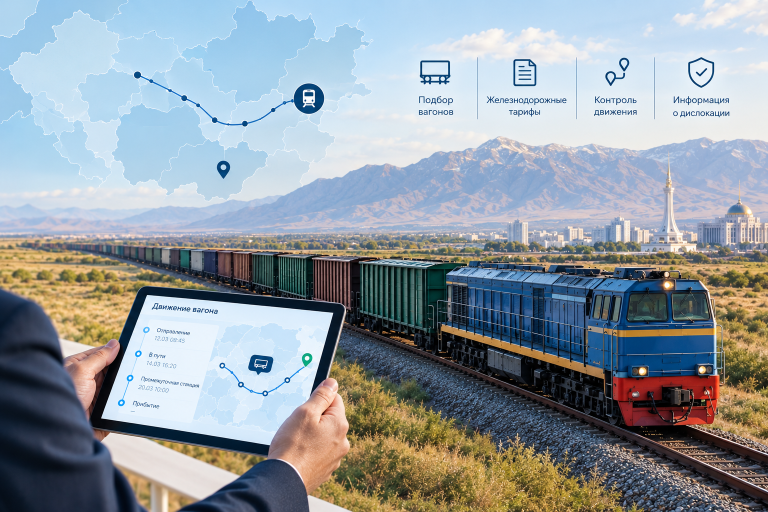
Wenanko AG handles railway transportation organization, including rolling stock selection, shipment planning, coordination of participants, and wagon movement monitoring. Information about wagon locations allows clients to understand the current status of their shipments and respond promptly to potential deviations.
This approach helps make regular deliveries more manageable and reduce the risk of delays caused by insufficient coordination or a lack of timely information.