Personal account

Many companies still choose a single mode of transport for shipping goods—and lose money. We explain how combining modes of transport helps save money and deliver cargo faster.
What is multimodal transport?
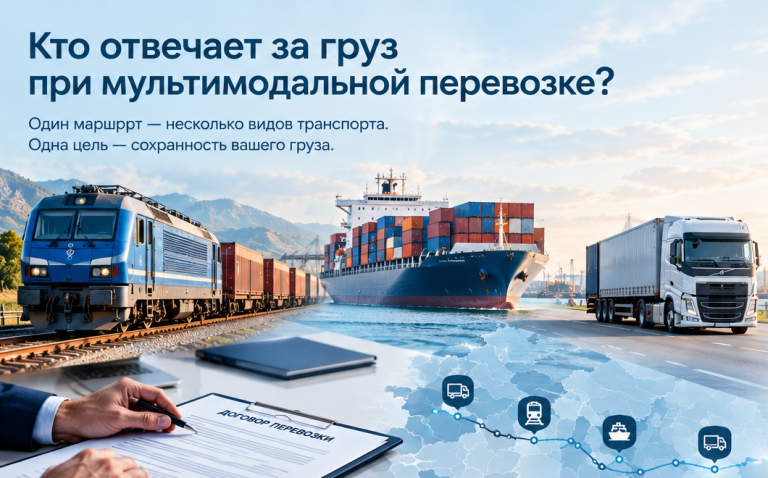
Multimodal transportation is the delivery of cargo using two or more modes of transport under a single contract. For example: goods travel by truck to a railway station, then by train to a port, and finally by sea to the destination country.
The key here is a single contract. You work with one operator who coordinates the entire chain. There is no need to find three different carriers and keep track of each one.
When is it more advantageous?
Multimodal transport is particularly convenient when:
- There is no direct route using a single mode of transport.
- The cargo needs to be delivered over a long distance across several countries.
- It is important to reduce costs while maintaining acceptable timelines.
- The route passes through regions with varying infrastructure.
For example, grain shipments from Kazakhstan to Turkmenistan often combine rail transport with road transport for the “last mile”—this is faster and cheaper than transporting the entire shipment by road.
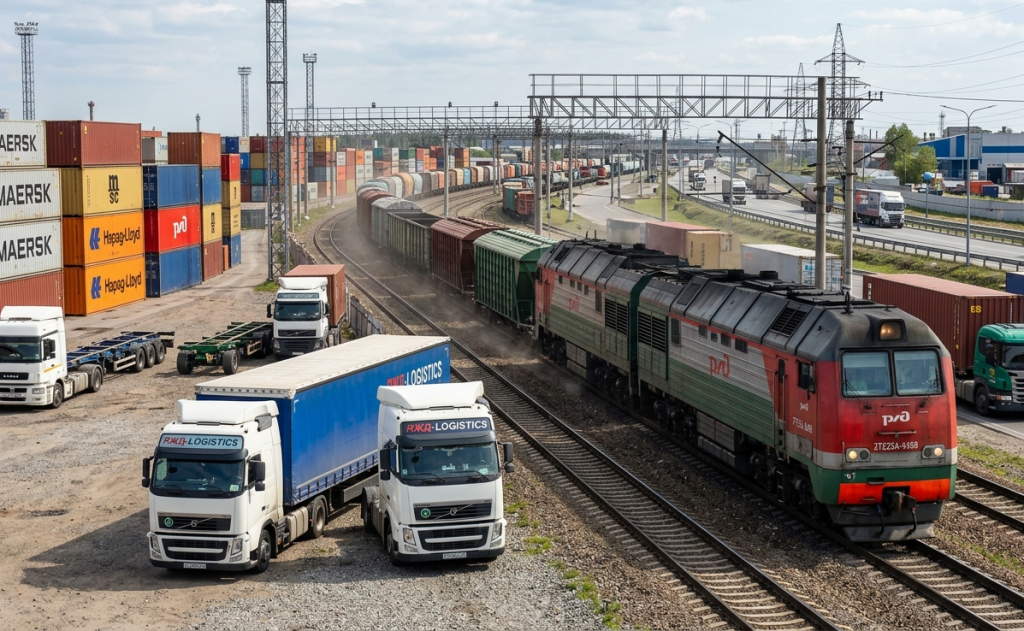
Rail + car: the most popular combination
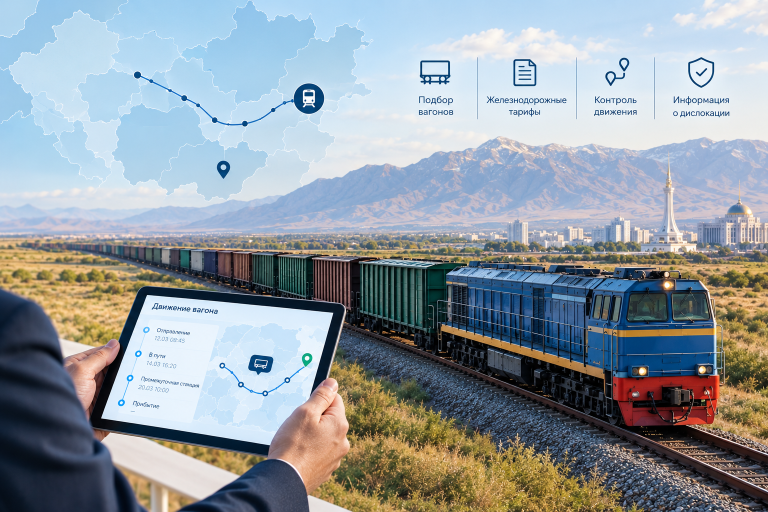
In Central Asia, this is the most common combination. Rail transport handles the main leg of the journey—it is cheaper and capable of moving large volumes—while road transport addresses the “last mile,” delivering goods from the station to the recipient’s warehouse.
Key advantages
Efficiency — each mode of transport is used where it is most effective.
Flexibility — the route can be adapted to any conditions.
One contract — less bureaucracy and fewer points of accountability.
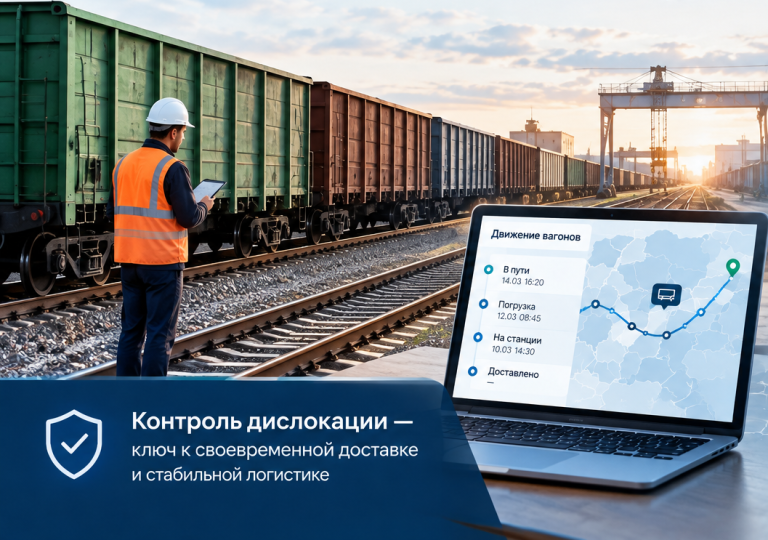
Tracking — a single operator monitors the entire route of the cargo.
Conclusion
Multimodal transport isn’t complicated; it simply involves choosing the smart transport option for each leg of the journey. If you regularly ship goods over long distances, it is worth discussing route optimization with your logistics partner.