Personal account

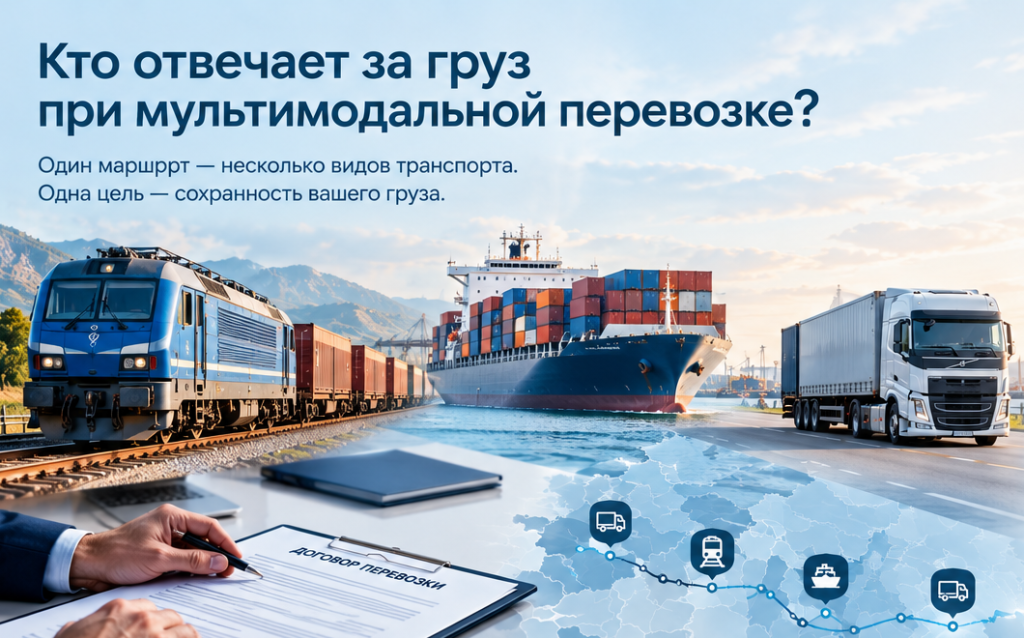
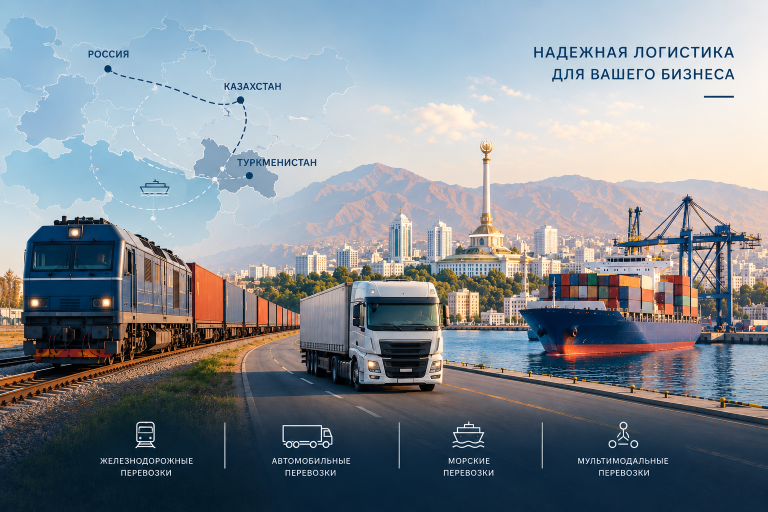
Multimodal transportation involves several modes of transport within a single logistics chain. For example, cargo may be transported by rail to a port, then by sea across the Caspian Sea, and finally by truck to the consignee.
This raises an important question: who is responsible for the cargo if it is damaged, lost, or delayed?
The answer depends on who organizes the transportation, what is specified in the contract and transport documents, and at which stage of the route the problem occurred.
Several Participants — One Logistics Chain
A multimodal shipment may involve railway, road and sea carriers, terminals, and a freight forwarder.
Each carrier is responsible for the part of the transportation it performs, in accordance with the relevant contract and applicable regulations. At the same time, the customer may work with a single logistics operator that coordinates the entire transportation chain.
Therefore, it is important to determine in advance who is the customer’s contractual partner and who is responsible for organizing the transportation as a whole.
Who Is a Multimodal Transport Operator?
A multimodal transport operator organizes transportation between different modes of transport and coordinates the parties involved.
Depending on the terms of the contract, the operator may act as a freight forwarder or assume the role of a contractual carrier. Therefore, the term “multimodal operator” does not automatically define the same scope of responsibility in every case.
For the customer, the key points to clarify in advance are:
- who accepts the cargo for transportation;
- who organizes each stage;
- who is responsible for coordination with carriers;
- how claims are handled in the event of damage or loss.
What to Do If Cargo Is Damaged or Delayed
If a problem occurs during transportation, it is first necessary to determine at which stage and at what point the problem occurred.
For example, if cargo is damaged during rail transportation, it is important to establish its condition at the time of transfer and prepare the relevant documents. If the problem occurs during transshipment at a port, a different procedure may apply.
For this reason, it is particularly important in multimodal transportation to control the transfer of cargo between stages and keep all relevant transport documents.
How to Reduce Risks
Before transportation begins, it is advisable to define the route, participants, and areas of responsibility in advance.
It is also important to:
- check the terms of the contract and transport documents;
- define the claims procedure;
- document the transfer of cargo between participants;
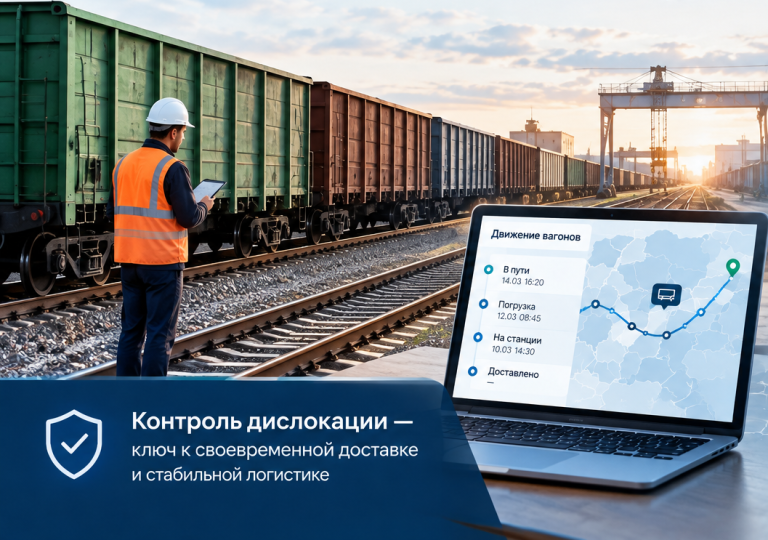
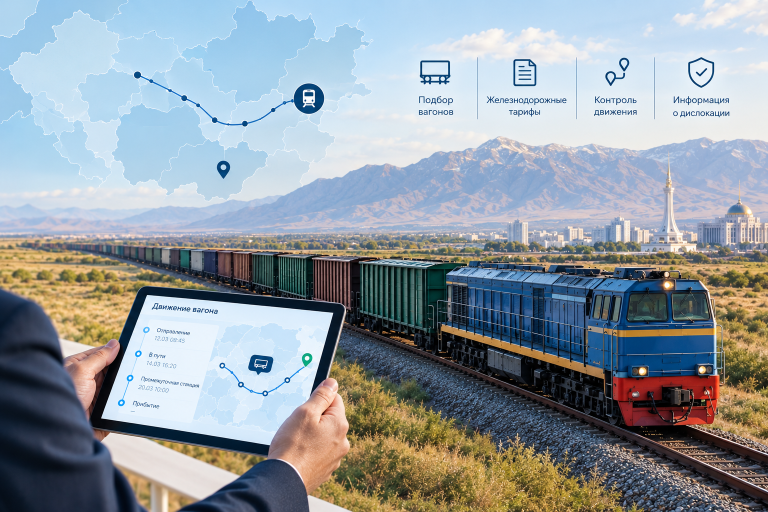
- monitor key stages of the route;
- use cargo insurance when necessary.
The better the actions of all participants are coordinated, the lower the risk of disputes and delays.
Multimodal Transportation with Wenanko AG
For complex international routes, businesses need a logistics partner capable of coordinating different transportation stages and the parties involved.
Wenanko AG organizes multimodal transportation using rail, sea, and road transport. The company coordinates the participants involved and monitors the progress of cargo along the route.
More information is available on the Wenanko AG multimodal transportation service page.